The key turns but the car will not start, and other ignition symptoms decoded
Ignition faults all feel like the same problem from behind the wheel, and they are five different repairs.
September 6, 2026 · 3 min read
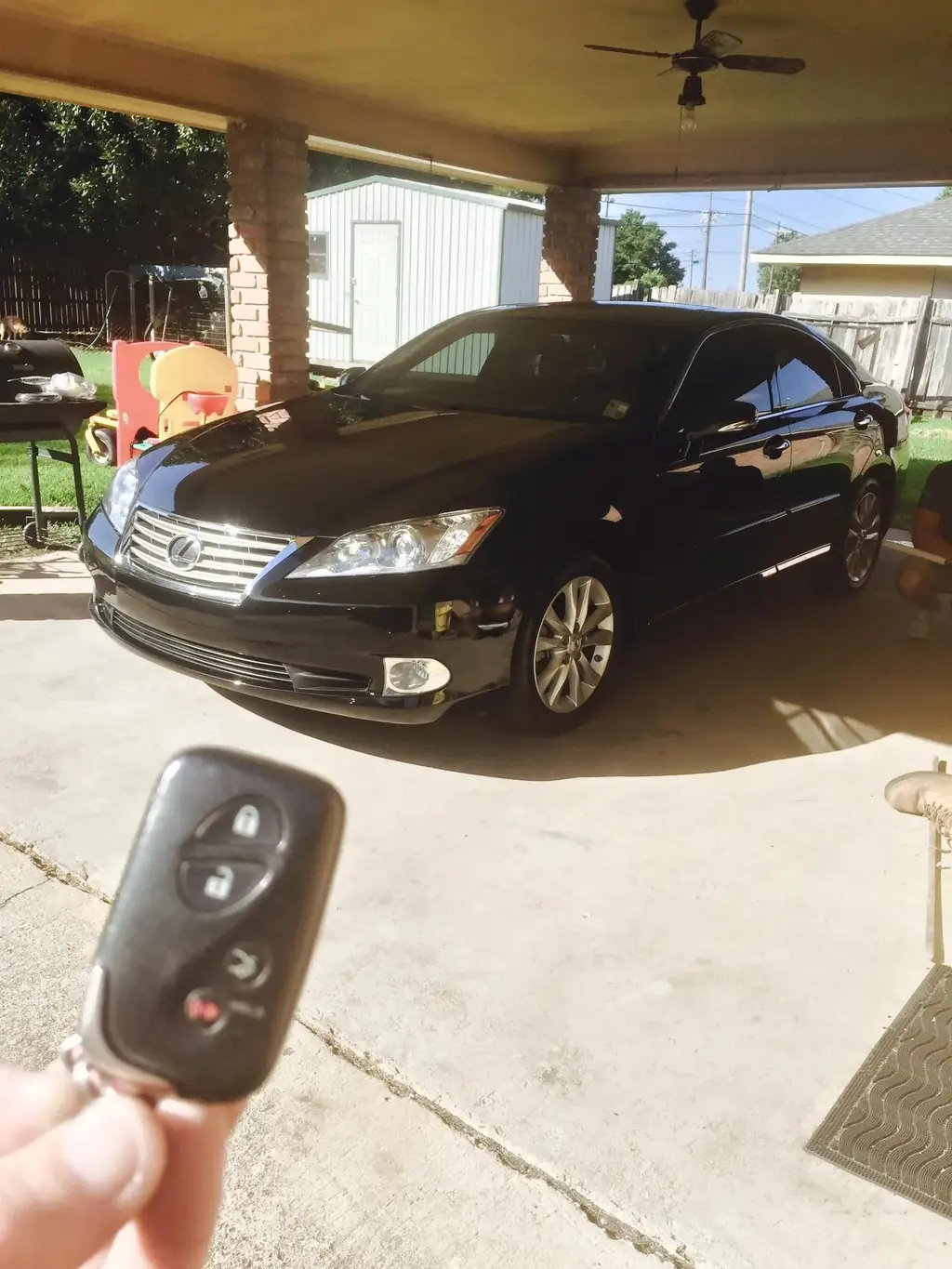
An ignition problem presents almost identically no matter what is causing it. You sit down, you put the key in, and something in the sequence does not happen. Because the symptom is so similar, people often assume the fix is similar too, and reach straight for the most expensive conclusion, which is replacing the whole assembly.
It is worth slowing down at that point, because in many cases ignition components can be repaired rather than replaced outright, and that saves both the time and the cost of a full swap.
One: the key will not go in, or will not turn at all
If the key enters but refuses to rotate, the usual suspects are a steering lock under tension, a worn cylinder, or debris inside the keyway. The steering lock is the free one to rule out. With the key in, rock the steering wheel gently side to side while turning the key with light pressure. If it frees up, nothing was ever broken.
Do not force it. A key that is being forced is a key that is about to snap, and a snapped key turns a small job into a larger one.
Two: a worn ignition cylinder
Cylinders wear. Every time a key goes in and turns, metal moves against metal, and after enough years the wafers inside no longer line up cleanly with the cuts on your key. The classic sign is a key that works sometimes, or only after wiggling, or only with a particular one of your two keys.
This is the most repairable failure on the list. A worn cylinder can often be rebuilt and rekeyed to your existing key rather than replaced, which means you keep the key you already have and the car keeps working.
Three: an electrical failure in the ignition switch
Behind the mechanical cylinder sits an electrical switch. When that fails, the key turns perfectly and the car does nothing, or the dashboard lights behave strangely, or accessories come on but the starter never engages.
From the driver's seat this feels like a dead battery or a bad starter, which is why it is a common misdiagnosis in both directions. The tell is usually that the mechanical action feels completely normal while the electrical result does not.
Four: a key snapped off in the keyhole
Unambiguous, at least. Part of the blade is in the lock and the rest is in your hand. The important thing here is not to go after it with tweezers, superglue or a screwdriver, all of which tend to push the fragment deeper or damage the wafers around it.
Extraction comes first, and a new key follows, because the key that broke was almost certainly worn or fatigued and should not be trusted again even if the two halves look reusable.
Five: damage from an attempted theft
Forced entry and attempted theft leave a distinctive kind of damage: a punched or drilled cylinder, a housing pushed out of alignment, or a column that has been pried at. If that is what happened, this is a repair job and also a security job, because the vehicle may currently be startable by whoever tried it.
That situation deserves attention quickly rather than at your convenience. It is also a case where an independent locksmith can often get you back on the road faster than a dealership queue.
Mechanical and electronic, usually both
On most cars built in the last twenty years, an ignition repair involves both a mechanical fix and a programming step, because the vehicle has to accept the key as legitimate as well as physically turn. Modern anti theft systems are part of this work rather than an exception to it.
The replacement parts and the tools to fit them travel in the service vehicles, so in most cases the diagnosis and the repair happen where the car is parked. That matters more than usual with ignition faults, because a car that will not start is a car that is not going to the shop under its own power.
Before you call
- Try the steering wheel rock, in case the column lock is simply under load
- Note whether the dashboard lights come on when the key turns
- Try your other key if you have one, because that alone separates key wear from ignition wear
- Have the year, make and model ready
That second key test is the most useful thirty seconds you can spend. If the spare works perfectly, the ignition is probably fine and your everyday key has simply worn out, which is the cheapest outcome available.
Tigers Locksmith — (225) 335-0453
Call (225) 335-0453More articles
What a replacement car key actually costs, and why nobody can quote it blind
The price is set by the key your car was built to take, not by how far anyone has to drive to you.
Locked out of your car: what to do in the first ten minutes
Most lockouts are a nuisance rather than a crisis, but a few of them are the other way round, and it helps to know which is which.